Emergency Roof Repair in St. George, Utah
Water coming in right now? Red Rock Roofing handles emergency tarping, dry-ins, and active leak triage across St. George and Washington County. Scroll down for what to do in the next ten minutes; call for everything after that.
Request Emergency Dispatch
What to Do Before Anyone Arrives
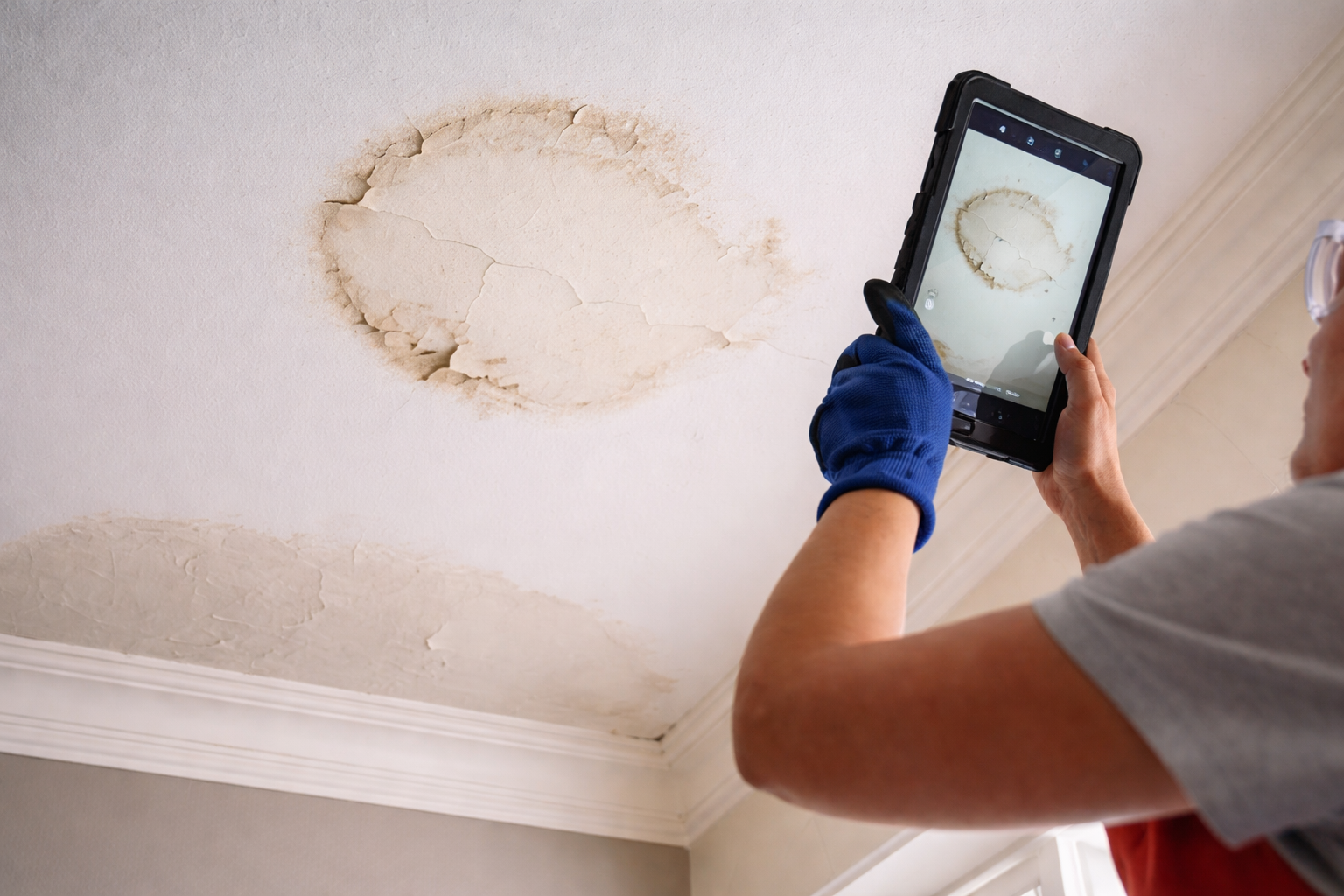
Move what's under the drip, then look up. If the ceiling drywall is bulging, it's holding water. Put a bucket underneath and relieve it with a screwdriver hole at the low point of the bulge. One controlled hole drains into your bucket; an uncontrolled collapse drains into everything.
Kill power to wet fixtures. If water is anywhere near a ceiling light, fan, or the attic-mounted air handler, switch off those circuits at the breaker before touching anything.
Contain, don't climb. A wet tile or shingle roof in a monsoon cell is not survivable footing, and the emergency crews of every roofer in Washington County will tell you the same thing: nothing on your roof is worth more than your skull. Interior containment is your job; the roof is ours.
Photograph everything as it happens. Ceiling stains spreading, water lines on walls, the puddle, your phone's timestamp does the documentation work. If this becomes an insurance claim, the first-hour photos are the most valuable ones you'll ever take. "What happens after the leak is stopped."
Note where and when it started. "Northwest bedroom, started during the wind about 4:30" saves real diagnostic time. Water travels along framing before it drops, so where it shows is rarely where it enters; your timeline helps us trace it.
Emergency or Monday Problem? An Honest Triage
The distinction matters because emergency dispatch costs more than scheduled work everywhere in this industry. If your situation can safely wait three days, we'll tell you so on the phone and book the cheaper visit. That's the same it's-not-always-a-claim honesty from our storm damage page, applied to urgency instead of insurance.
Emergency Services We Provide
Emergency Tarping
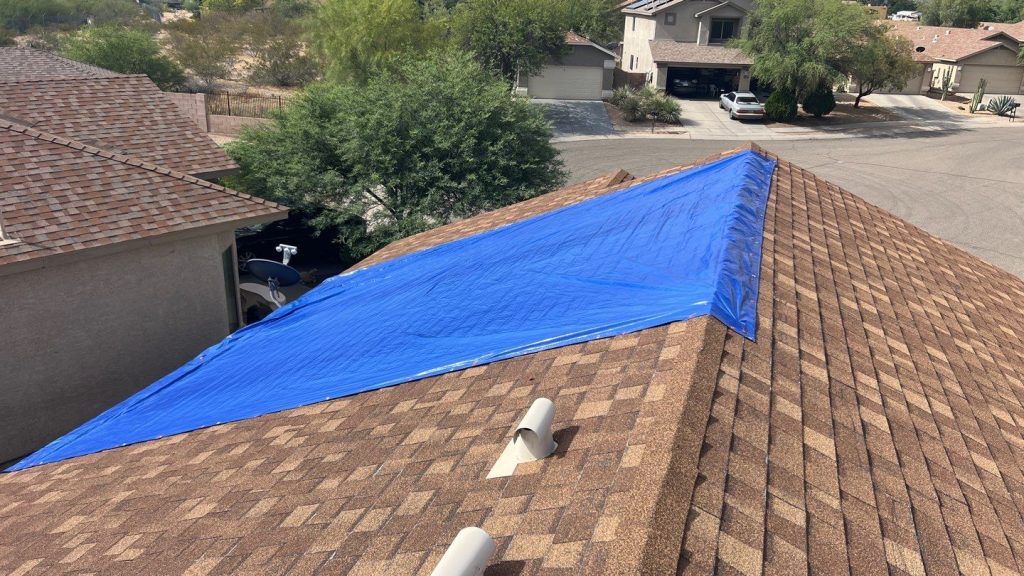
Reinforced poly tarps anchored to sound structure, not to broken material. A proper tarp on a St. George roof has to survive the next microburst, not just the next hour; monsoon-season cells routinely bring the region's most violent straight-line winds, and a flapping tarp becomes its own damage event.
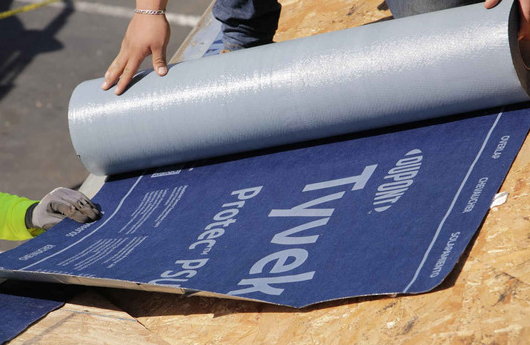
Temporary Dry-In
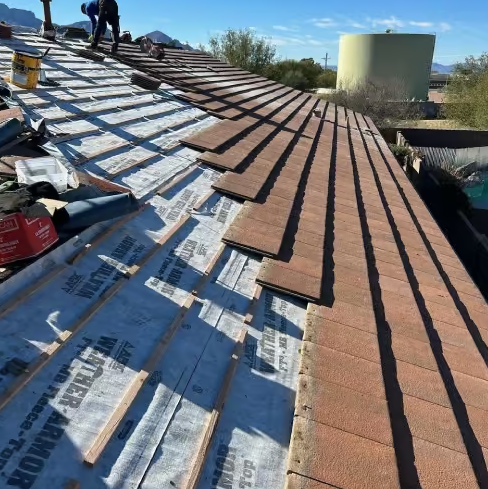
For larger openings, synthetic underlayment or peel-and-stick membrane over the exposed deck. This is the step that buys weeks of protection instead of days, which matters when a full repair needs materials ordered, especially color-matched tile.
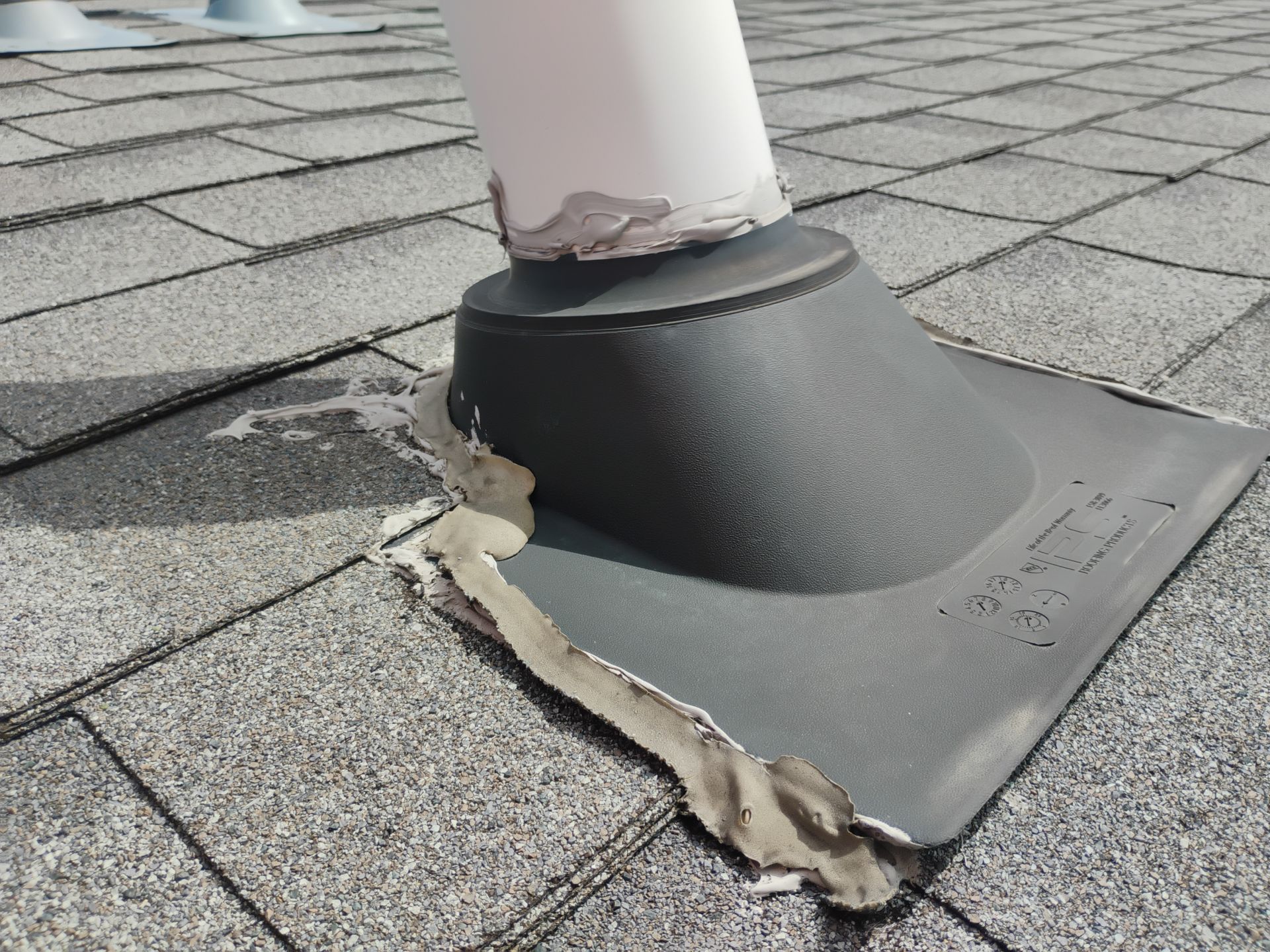
Leak Triage & Trace
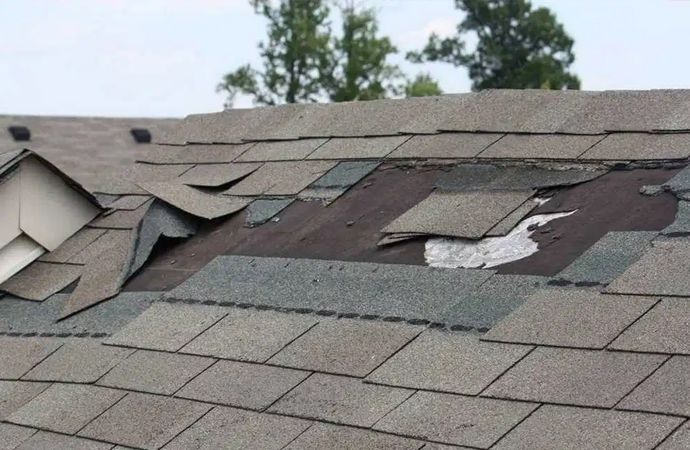
Finding the actual entry point. On tile roofs the usual suspects are slipped or cracked tiles at valleys and penetrations; on the older shingle stock and on homes with rooftop evaporative cooler penetrations, it's failed flashing and sun-killed sealant at the curb. Swamp cooler penetrations on St. George's older housing stock are one of the most common leak origins we see, and one of the least suspected.
Our Process
01
Call and describe what's happening
Tell us what you're seeing: where the water is showing, when it started, and what the weather was doing. You'll get an honest answer on the spot about whether this is an emergency dispatch or something that can safely wait for a scheduled visit at scheduled prices. If it can wait, we'll say so and book the cheaper appointment, because charging emergency rates for a Monday problem isn't a service.
02
First-hour guidance while help is on the way
If it is an emergency, you won't just get a dispatch time. We'll walk you through the interior steps that matter right now: relieving a bulging ceiling safely, cutting power to wet fixtures, and photographing the damage as it happens for any insurance claim that follows. The water gets slowed before anyone arrives, and you stay off the roof, because no roof is worth a fall.
03
Stop the water, photographed
On arrival, the priority is making your home dry, not diagnosing everything at once. Reinforced tarping or a temporary dry-in over the exposed area, anchored to sound structure so it survives the next monsoon cell instead of becoming its own damage. Every step gets photographed, so you have dated documentation of the emergency and the mitigation from the first hour on.
04
A written plan for the permanent fix
Once the water is stopped, the pressure is off, and the permanent repair gets quoted like any scheduled job: line-item pricing, the photos behind each line, and no urgency tax, because the urgency is over. If insurance is involved, the mitigation photos and invoice from steps two and three are exactly the documentation your claim needs.
What Emergency Roof Work Costs
Ranges reflect typical Washington County market pricing and vary with roof height, pitch, and how much weather is happening while the work gets done. If an insurance claim follows, emergency mitigation costs are commonly claimable; keep the invoice.
Every range above was set on an ordinary day, not priced against your ceiling stain at 9pm. The crew stabilizes first at posted rates; the permanent repair gets quoted in daylight, from a written plan you can sit with.
You're calling at the worst possible moment to negotiate. That's exactly why the prices are already posted.
Why St. George Homeowners Choose Red Rock Roofing
No urgency tax
Emergency pricing exists in this industry because desperate people don't comparison shop, and everyone knows it. Our emergency work is priced for what it is: a tarp, a dry-in, a triage visit, each at the rate it would cost on any other day plus the honest cost of getting there fast. And once the water is stopped, the permanent repair gets quoted like any scheduled job, because you stopped being an emergency customer the moment your house got dry.
Help starts on the phone, not on arrival
The most important minutes of a roof emergency happen before any truck shows up. When you call, you get walked through the interior steps that actually protect your home right then: the ceiling bulge, the breakers, the photos your insurance claim will need. That guidance is free and it's yours even if you end up hiring someone else, because a flooded living room helps nobody.