Roofing in Hurricane, Utah
Hurricane is the only town in our service area that's literally named after its wind — the story goes that a gust tore the top off Erastus Snow's buggy near the base of the Hurricane Cliffs, and the name stuck. A century and a half later, the wind hasn't changed its mind. Gusts funneling off the cliffs and through the valley are still the defining force on Hurricane roofs, lifting shingles, walking tiles out of position, and finding every fastener that's lost its grip.
Red Rock Roofing repairs and replaces roofs across Hurricane, from the older homes near Main Street to the newer developments out toward Sand Hollow. Every job starts with a free inspection and photos of what we find, and given where you live, checking the wind-vulnerable details isn't a specialty service — it's just what inspecting a Hurricane roof means.
Get Your Free Hurricane Roof Inspection
Roofs in Hurricane: What's Up There and What Fails First
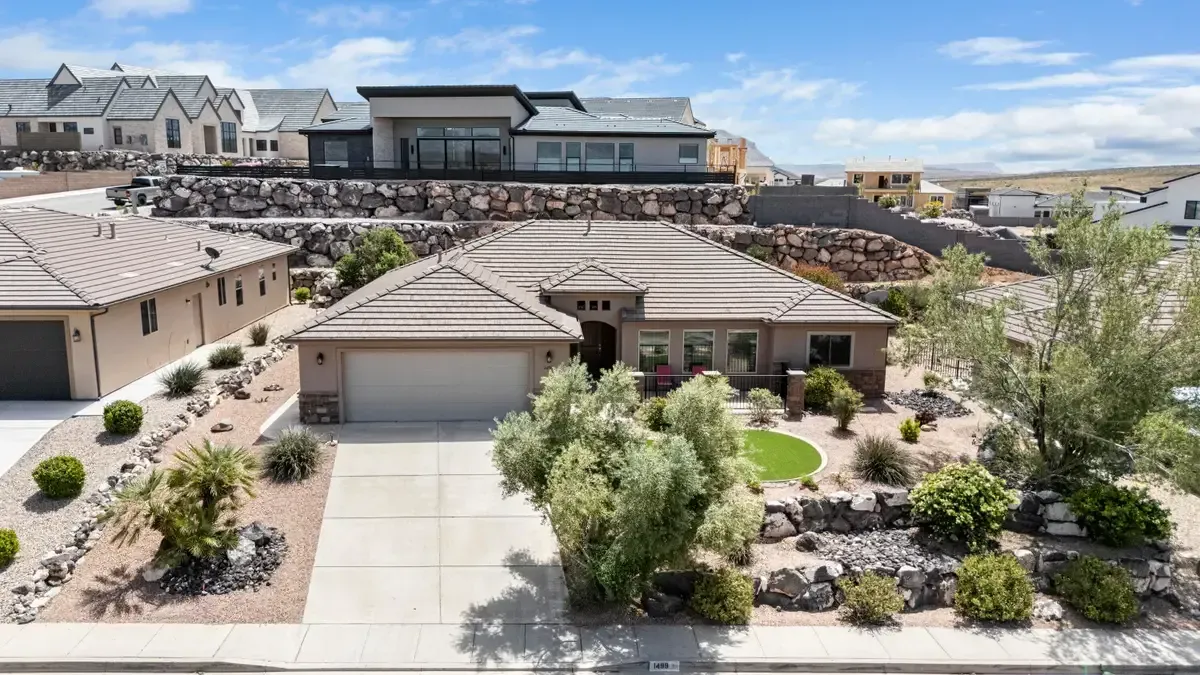
Hurricane's housing tells its history. The blocks around the old downtown and Peach Days parade route carry older shingle roofs, many on homes that have seen decades of valley wind and are running on the last of their sealant strips. The growth years brought waves of tile — Dixie Springs and the neighborhoods spreading toward Sand Hollow are largely 2000s-and-later concrete tile, which means the earliest of them are entering the underlayment-failure window even though the tile above still looks new. And with Sand Hollow State Park and the Zion corridor nearby, Hurricane has one of the county's biggest short-term rental populations: roofs that host paying guests can't afford the deferred-maintenance gamble a homeowner might tolerate.
The wind adds its own signature to all of it. Homes near Sand Hollow often experience stronger gusts because they're more exposed than neighborhoods tucked closer to town. Ridge caps and rake edges go first, exposed fasteners back out faster, and a roof that would age gracefully in Santa Clara gets tested here every time a front moves through the valley.
Roofing Services in Hurricane
List of Services
-
Roof RepairList Item 1
Wind-lifted shingles, slipped tiles, and the leak-tracing that follows a windy night
-
Storm & Wind damageList Item 2
Documentation, honest claim guidance, and the deductible math, which matters more in Hurricane than anywhere we work
-
Tile RoofingList Item 3
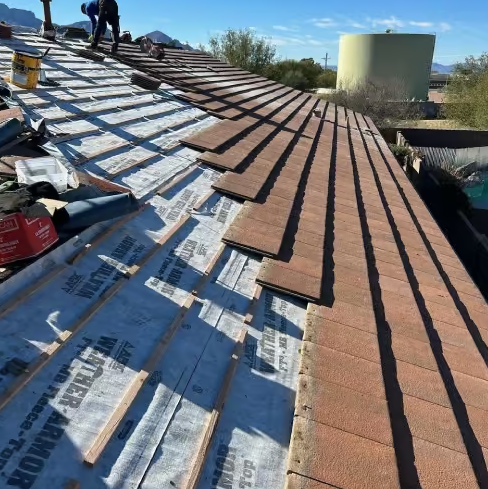
Repairs and underlayment re-felts for Dixie Springs-era tile
-
Shingle RoofingList Item 4
Desert-rated, wind-rated replacement for the older stock near downtown
-
Roof Replacement
The honest repair-vs-replace comparison, in writing
-
Flat & Commercial
For the businesses along State Street and SR-9
Hurricane Roofing Questions
Get a Straight Answer About Your Hurricane Roof
In a town named for its wind, "it's probably fine" isn't a roofing strategy. The inspection is free, the photos are yours, and the answer is honest
Or Call: 435-222-7141